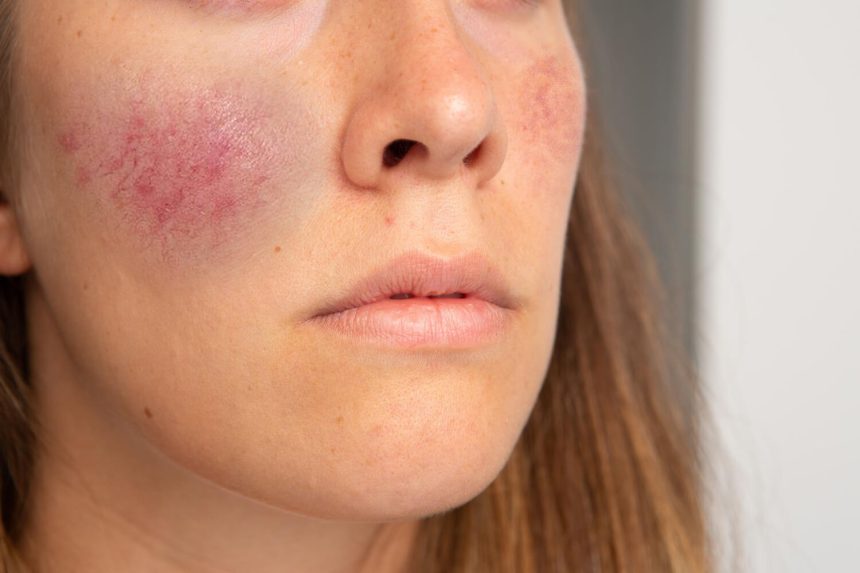
Those thin red or purple lines that show up around the nose and across the cheeks have a name most people never hear: telangiectasia. Everyone else calls them broken capillaries. They are one of the most common skin concerns adults deal with, and while they are rarely a sign of anything serious, they can make the skin look flushed, tired or older than it really is.
The good news is that broken capillaries on the face are well understood. Once you know what causes them, it becomes much easier to slow down new ones and to choose a treatment that clears the ones you already have.
What Are Broken Capillaries?
Capillaries are the smallest blood vessels in the body. Despite the name, broken capillaries are not actually broken. They are tiny vessels close to the surface of the skin that have become permanently widened. Once a vessel stretches past a certain point, it loses the ability to contract back to its normal size, and the blood inside becomes visible through the skin.
They usually appear on the nose, cheeks and chin, where the skin is thinner and more exposed to the elements. Some people see only a few fine lines, while others notice a web of vessels that gives the face a constantly red look.
What Causes Broken Capillaries on the Face?
In most cases there is no single cause. Broken capillaries tend to develop from a mix of genetics, lifestyle and environment working together over many years.
Sun exposure
UV light is one of the biggest contributors. Over time, sun damage breaks down collagen and weakens the walls of blood vessels, which makes them more likely to dilate and stay that way. This is also why broken capillaries often appear alongside sun spots and an uneven skin tone.
Genetics and skin type
If your parents developed visible facial veins, there is a good chance you will too. People with fair, thin skin tend to see them earlier simply because there is less tissue covering the vessels.
Rosacea
Rosacea is a chronic skin condition that causes flushing, persistent redness and, in many people, visible blood vessels. Frequent flushing puts repeated strain on the capillaries, so keeping rosacea under control is an important part of preventing new ones.
Alcohol and temperature changes
Alcohol widens blood vessels, which is why the face often flushes after a drink or two. Regular heavy drinking keeps that pressure on the vessels and is closely linked to broken capillaries on the face. Sudden shifts in temperature have a similar effect, whether it is a hot shower, a sauna or cold winter wind.
Medications and hormones
Long-term use of corticosteroid creams on the face can thin the skin and make vessels more visible. Hormonal changes during pregnancy can also cause new vessels to appear, although some of them fade after delivery. If you notice changes after starting a new medication, ask your pharmacist or doctor whether the two could be related.
Physical pressure
Intense vomiting, coughing or sneezing can put sudden pressure on fragile vessels near the surface. Squeezing pimples and scrubbing the face too hard can damage them as well.
Do Broken Capillaries Go Away on Their Own?
Unfortunately, most do not. Once a capillary has been stretched for a long time, it rarely returns to its original size. Vessels that appear during pregnancy are the main exception. Skincare and lifestyle changes can make redness less noticeable and help prevent new vessels from forming, but the existing ones usually need professional treatment to disappear.
What You Can Do at Home
Prevention starts with daily sunscreen. A broad-spectrum SPF 30 or higher, applied every morning and reapplied when you spend time outdoors, protects both the vessels and the collagen that supports them.
Gentle skincare matters too. Wash your face with lukewarm rather than hot water, skip harsh scrubs and rough towels, and choose fragrance-free products if your skin flushes easily. Ingredients such as vitamin C, niacinamide and azelaic acid can support the skin barrier and reduce general redness over time. Retinol may strengthen and thicken the skin with long-term use, although it can irritate sensitive or rosacea-prone skin, so it is best introduced slowly.
For people with rosacea, a doctor can prescribe creams that temporarily constrict blood vessels and calm redness. These products reduce flushing for several hours, but they do not remove dilated capillaries. Keeping a simple diary of what makes your face flush, whether that is spicy food, alcohol, stress or heat, is one of the most useful habits you can build.
Professional Treatment Options
When broken capillaries are already visible, light-based treatments are the most reliable way to clear them. Lasers and intense pulsed light (IPL) work on the same principle. Light energy is absorbed by the hemoglobin in the blood and turned into heat, which collapses the vessel so the body can gradually clear it away.
Vascular lasers, such as pulsed dye and KTP lasers, deliver a single wavelength and suit individual, clearly defined vessels. IPL uses a broad spectrum of light, so it can treat diffuse redness, small capillaries and sun damage in the same session. Most people need three to five sessions spaced about four weeks apart, followed by occasional maintenance. Mild redness and a warm, sunburned feeling are normal for a few hours afterward, and some vessels may look darker before they fade over the next few weeks.
Results depend heavily on the device settings and the experience of the person using it, so the choice of provider matters. If you live in British Columbia, booking an IPL Treatment in Burnaby at a clinic that starts with a proper skin consultation is a sensible first step, since the technician can confirm your skin type is suitable and tailor the treatment to your concerns. IPL works best on light to medium skin tones, and a good clinic will suggest alternatives if it is not the right fit for you.
Before any light-based treatment, tell your provider about every medication and supplement you take. Some drugs, including certain antibiotics such as doxycycline and acne medications like isotretinoin, make the skin more sensitive to light and can raise the risk of burns or pigment changes. Your provider may ask you to wait several months after finishing them. You should also avoid tanning and direct sun for a few weeks before each session.
Frequently Asked Questions
Can a vitamin deficiency cause broken capillaries?
A severe lack of vitamin C weakens collagen and blood vessel walls, which can lead to easy bruising and fragile vessels. This kind of deficiency is rare, though, and for most people sun exposure, genetics and rosacea play a much bigger role.
Does retinol help broken capillaries?
Retinol can make the skin look healthier and less translucent over time, which may soften the appearance of vessels. It will not close capillaries that are already dilated.
Are broken capillaries dangerous?
On the face, they are almost always a cosmetic issue. A sudden increase in visible vessels, or spider-like vessels spreading across the chest and upper body, can occasionally point to an underlying condition, so mention any big change to your doctor.
The Bottom Line
Broken capillaries on the face are common, harmless in most cases and very treatable. Daily sun protection, gentle skincare and awareness of your personal triggers go a long way toward preventing new ones. For vessels that are already visible, a series of professional light treatments offers the most predictable results, as long as you choose a qualified provider and share your full medication history before you begin.