
Staying hydrated is essential for good health, but there’s a lot of confusion about how much water we actually need each day. You’ve probably heard the classic “8 glasses a day” rule, but hydration isn’t one-size-fits-all. Factors like activity level, climate, diet, and even your overall health play a major role in determining your true hydration needs. Unfortunately, common myths and outdated guidelines often lead people to drink too much, or not enough. In this article, we’ll break down the most popular hydration myths, explore what science really says about daily water intake, and help you understand how to listen to your body for proper hydration.
How Your Activity Level Impacts Hydration Needs
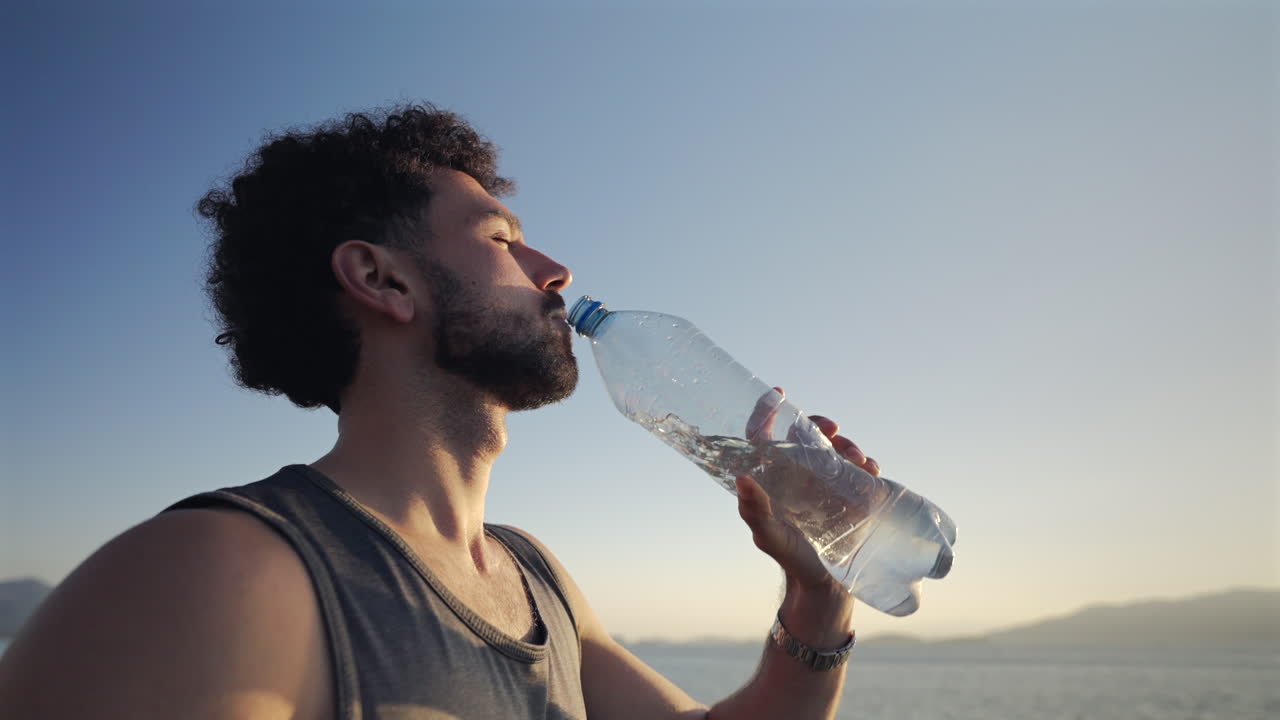
Your activity level has a direct impact on how much water your body needs each day. When you exercise or engage in any form of physical activity, your body loses water through sweat, sometimes in significant amounts. Even moderate activities, like walking or household chores, increase fluid loss and raise your hydration requirements.
Athletes or those performing intense workouts need to pay particular attention to replacing not just water, but also electrolytes lost through sweat. The type, intensity, and duration of activity all play a role in determining how much you should drink before, during, and after exercise. Staying properly hydrated supports muscle function, prevents fatigue, and helps in recovery, while underhydration can lead to dizziness, cramps, and decreased performance. Listening to your body, tracking sweat loss, and adjusting water intake accordingly ensures optimal hydration for every level of activity.
Signs You’re Not Drinking Enough Water
Not drinking enough water can affect your body in subtle ways before obvious symptoms appear. Common signs of dehydration include persistent thirst, dry mouth, and dark-colored urine, which indicate your body is running low on fluids. Fatigue, headaches, and dizziness are also warning signals, as even mild dehydration can impact brain function and energy levels.
Other signs may include dry skin, constipation, and reduced urine output. In more severe cases, dehydration can cause rapid heartbeat, confusion, or muscle cramps. Paying attention to these signals allows you to address your hydration needs before serious health issues arise. By recognizing the early signs of insufficient water intake, you can make small, consistent changes, like drinking water regularly throughout the day and consuming hydrating foods to keep your body functioning optimally.
The Role of Electrolytes in Proper Hydration
Electrolytes play a crucial role in maintaining proper hydration and overall body function. These minerals—such as sodium, potassium, magnesium, and calcium—help regulate fluid balance, nerve signals, and muscle contractions. When you sweat during exercise, you lose both water and electrolytes, which can lead to dehydration, cramps, or fatigue if not properly replaced.
Simply drinking plain water may not always be enough, especially during intense physical activity or in hot climates. Replenishing electrolytes through sports drinks, coconut water, or electrolyte-rich foods like bananas, spinach, and nuts can help your body retain fluids and maintain optimal performance. Understanding the importance of electrolytes ensures that your hydration strategy supports not just water balance, but also energy, muscle function, and overall health. Proper hydration is a combination of water and electrolytes working together to keep your body running smoothly.
Conclusion
Proper hydration is more than just drinking water—it’s about understanding your body’s needs, activity level, and electrolyte balance. By recognizing myths, listening to your body’s signals, and replenishing fluids and essential minerals, you can maintain optimal health, boost energy, and support overall well-being every day.